






















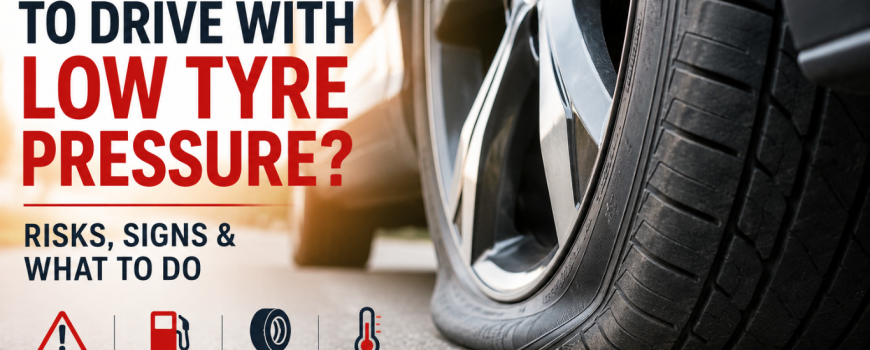
Is It Safe to Drive With Low Tyre Pressure?
Many drivers don’t bother to check Low Tyre Pressure when their tyre feels fine, so they don’t see why they should. It’s tempting to think that you can refill air later, after work or at the next gas station. But in reality, low tyres begin to damage your tyre as soon as you start your journey for the first kilometer. Most people underestimate the threat as it is not always evident or imminent.
Understanding the importance of maintaining the correct tyre pressure for all vehicles.
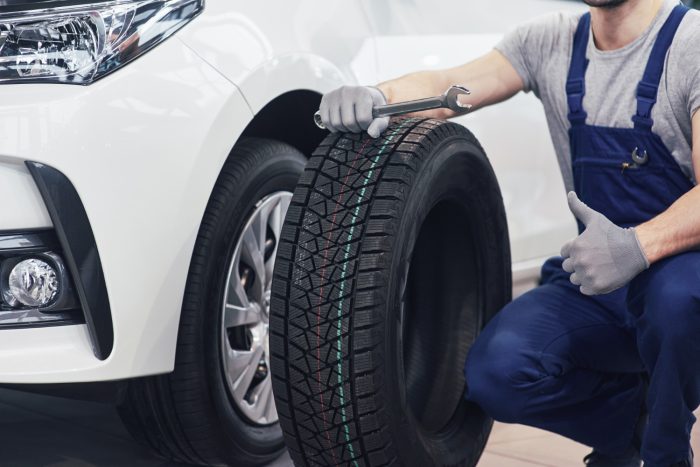
Tyres are engineered to support the load of the car, supported by air pressure. If the pressure is correct, then the tyre will stay in its correct shape and only the correct part of the tyre’s tread will come into contact with the road. This balance enables the steering, braking, grip and wear to be smooth and even.
A tyre that has Low Tyre Pressure will start to bend. The sidewalls curve more than they should and more rubber is in contact with the road surface. This results in an excessive amount of friction and heat that gradually causes the tyre’s internal structure to become weaker. Although it might be going on at a slow pace, it is going on all the time with you driving away.
What Happens When Low Pressure In the Tyre
A tyre is constructed from rubber, fabric and steel cords. These layers rely on the pressure of air in the layers maintaining their firmness and support. As the pressure decreases, the sidewalls begin carrying a greater proportion of the load than they were intended to. These sidewalls bend over and over with each turn while driving.
This up and down bending creates heat. The heat deteriorates the tying-in of the tyre layers with time. The steel cords inside are weakened, and the tyre may develop cracks, bulges and even be able to burst at any time. At this point, the damage is likely to be quite extensive.
The impact of low tire pressure on road safety.
Low tyre pressures decrease your control of the vehicle. The steering is heavy and less responsive. The car may tend to swerve at higher speeds, particularly to one side. Braking distance also extends due to the fact that the tyre can’t keep the road grip.
The risk is significantly increased at highway speeds. Due to excessive heat buildup the tyres may burst out of their casing all of a sudden. One of the frequent causes of tyres going flat on a long drive, especially during hot weather.
The effects of weather stripping on gas mileage are often overlooked.
This will cause rolling resistance to increase if tyres are under inflated. This will cause the engine to have to put more effort into propelling the car forward. This means that your car is using more fuel than it should. Sadly, many drivers gripe about low mileage without realizing that it is often due to under-inflated tyres.
One of the easiest fuel-saving tips to follow—for free!
Inequality in tyres’ wear and tear and shorter tyre life.
The obvious consequence of defective tyres is uneven wear and tear. Treads wear out more at the edges and are less worn in the middle. This irregular pattern wears down the tyre and you are required to replace it earlier than expected.
Correct Low Tyre Pressure will mean that wear is even across the tread, which will extend the tyre’s life by thousands of kilometres.
The following are signs that the tyre pressure is low:
Your car may sometimes be sending out signals. The steering may start to feel heavy, or feel some vibration during driving. Car may not accelerate as well as it used to. On vehicles fitted with a tyre pressure monitoring system (TPMS), a warning light may show up on the dashboard.
The tyre may appear a little flat at the base. Don’t ignore these indications: they mean that the tyre must be attended to immediately.
When you sense low tyre pressure, here’s what you should do.
If you notice the Low Tyre Pressure when driving, slow down and do not make any sharp turns or stops. Park vehicle safely and inspect tyres. Pump up the tyre to the PSI (lbs.) specified on your car’s owner’s manual or in the driver door.
If the pressure decreases again when inflated, then there could be a punctured tire, slow leak or valve malfunction that requires expert servicing.There are tyre inflators and Low Tyre Pressure checkers which can assist you in such a case available for purchase at Imalco Web Store.
When to Check Tyre Pressure?
Always check the tyre pressure before long journeys and at least once every two weeks. The weather can also impact pressure. The pressure will change with the temperature so it is important to check for pressure changes throughout the seasons.This little change can help avoid big tyre issues and make driving safer overall.
Conclusion: Low Tyre Pressure Is a Silent Risk
Even if a car can’t be stopped from drifting away with low tyres, it does make for a less safe driving experience, higher fuel costs and damage to the tyres from the inside. The seemingly minor time spent on filling air can escalate to a costly tyre replacement or a hazardous situation on the road.
The best rule for all motorists is to regularly check tyre pressure and adjust it every time it drops.